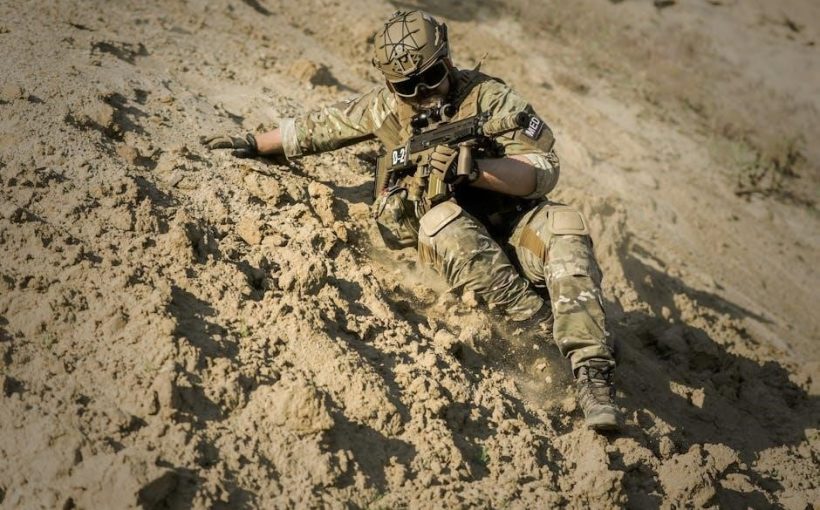
Army survival training, detailed in FM 21-76, equips personnel – and civilians – with vital skills for enduring harsh conditions and maximizing chances of rescue.
This guide emphasizes the “SURVIVAL” acronym, offering a framework for action, while updated editions provide a wealth of life-saving information for any scenario.
The Importance of Survival Training
Survival training, as outlined in the US Army Survival Manual (FM 21-76), isn’t merely about wilderness skills; it’s a foundational element of preparedness for any unforeseen crisis.
It instills resilience, resourcefulness, and a critical mindset, enabling individuals to overcome adversity, whether facing natural disasters, combat situations, or simply getting lost.
Mastering core competencies – from shelter building to medical aid – significantly increases the probability of survival and successful return, emphasizing the ‘will to survive’.
This training extends beyond the military, benefiting anyone seeking self-reliance and the ability to navigate challenging circumstances.
Understanding FM 21-76
FM 21-76, the official US Army Survival Manual, serves as the definitive guide for survival techniques, encompassing a broad spectrum of skills essential for enduring hostile environments.
The manual is structured around the “SURVIVAL” acronym, providing a mnemonic device to remember key priorities: Size up the situation, Utilize your resources, Send signals,
Remain calm, Improve your position, Navigate, and Learn. It details procedures for obtaining water, food, shelter, and medical care, alongside navigation and signaling methods.
Regularly updated, FM 21-76 remains a crucial resource for both military personnel and civilians seeking comprehensive survival knowledge.
Planning for Survival
Proactive survival planning, including risk assessment and a well-stocked kit, dramatically increases resilience. Thorough preparation, alongside knowledge from the Army guide, is key.
Pre-Survival Phase: Risk Assessment
Army survival emphasizes a proactive “pre-survival” phase, beginning with meticulous risk assessment. This involves analyzing potential threats – environmental, enemy, or accidental – within a given operational area.
Understanding terrain, climate, and potential hazards allows for informed decision-making and mitigation strategies. Prior to any operation or travel, evaluate vulnerabilities and develop contingency plans.
Consider factors like remoteness, accessibility, and available resources. A thorough assessment, guided by the Army manual, significantly enhances preparedness and improves odds of a positive outcome should survival become necessary.
Survival Kit Essentials
A well-stocked survival kit is paramount, as outlined in the Army survival guide (FM 21-76). Essential components include tools for fire starting – matches, lighter, or ferro rod – and water purification tablets or a filter.
Navigation aids like a map and compass are crucial, alongside a durable knife, signaling devices (mirror, whistle), and a first-aid kit.
Include high-calorie food rations, shelter materials (tarp, cordage), and appropriate clothing for the environment. Prioritize lightweight, multi-purpose items to maximize utility and portability.
Developing a Survival Plan
The Army survival guide stresses proactive planning. Before venturing into a potentially hazardous environment, thoroughly research the area’s climate, terrain, and potential dangers.
Establish clear objectives and routes, informing others of your plans and expected return time.
Consider potential emergency scenarios and formulate contingency plans. This includes identifying alternative routes, water sources, and shelter locations.
Regularly review and update your plan based on changing conditions and new information, ensuring preparedness for unforeseen challenges.

Basic Survival Skills
Army survival prioritizes securing essential needs: water, shelter, and fire. Mastering these skills—finding, purifying water, building protection, and creating warmth—is fundamental for endurance.
Finding and Purifying Water
Army survival emphasizes locating water sources – streams, ponds, even dew – as a top priority. However, untreated water poses significant health risks. Purification methods are crucial; boiling for one minute effectively kills most pathogens.
Improvised filters, using cloth, charcoal, sand, and gravel, can remove sediment, but don’t eliminate all microbes. Purification tablets, when available, offer a convenient alternative. Conserving water through minimizing exertion and collecting rainwater is also vital for prolonged survival.
Building a Shelter
Army survival doctrine prioritizes shelter construction for protection from the elements. Lean-tos, utilizing natural features like trees and branches, are quick to build. Debris huts, offering greater insulation, require more effort but provide superior warmth.
Consider location – avoiding low-lying areas prone to flooding. Insulation is key; layering leaves, pine needles, or other available materials creates a barrier against cold and moisture. A well-constructed shelter significantly enhances chances of survival and conserves energy.
Fire Starting Techniques
Army survival training emphasizes fire as crucial for warmth, signaling, water purification, and morale. Methods include using a ferrocerium rod and striker, creating friction with a bow drill, or employing magnifying lenses.
Gather tinder – dry leaves, birch bark, or cotton – and kindling, gradually increasing wood size. Protect the flame from wind. Maintaining a fire requires constant attention and a sustainable fuel source, vital for long-term survival in the wilderness.
Survival Medicine
Army survival manuals prioritize assessing and treating injuries with limited resources, utilizing improvised medical supplies when conventional aid isn’t accessible.
Understanding illness prevention and field sanitation are also critical components of maintaining health during prolonged survival scenarios.
Assessing and Treating Injuries
Army survival manuals, like FM 21-76, stress a methodical approach to injury management in austere environments. Initial assessment focuses on the ABCs – Airway, Breathing, and Circulation – to prioritize life-threatening conditions.
Control bleeding through direct pressure, elevation, and tourniquets when necessary. Immobilize fractures using splints crafted from available materials. Wound care involves cleaning, disinfecting (if possible), and bandaging to prevent infection. Recognizing and addressing shock is paramount, alongside monitoring for evolving symptoms.
Dealing with Illnesses in the Field
Army survival manuals emphasize preventative measures against illnesses, but field conditions often necessitate treatment with limited resources. Hydration is crucial, especially in hot climates, to combat dehydration and heatstroke.
Gastrointestinal issues are common; prioritize safe water sources and food preparation. Recognize symptoms of hypothermia and employ warming techniques. Improvised remedies, utilizing medicinal plants (with caution and proper identification), may offer relief, but professional medical attention remains the ultimate goal.
Improvised Medical Supplies
Army survival training stresses resourcefulness when standard medical kits are unavailable. Clean cloth can become bandages, while plant fibers serve as sutures. Charcoal acts as an absorbent for toxins, and splints can be fashioned from branches and bark.
Water purification is vital for cleaning wounds. Knowledge of local flora allows for identifying plants with medicinal properties, but accurate identification is paramount to avoid poisoning. Prioritize cleanliness to minimize infection risk.
Acquiring Food
Army survival focuses on foraging edible plants, constructing traps for small animals, and utilizing fishing techniques to secure sustenance when conventional supplies dwindle.
Foraging for Edible Plants
Army survival training stresses cautious plant identification, as misidentification can be fatal. Prioritize learning plants common to your operational environment before deployment.
Employ the “universal edibility test” as a last resort, proceeding slowly and observing for adverse reactions. Focus on readily identifiable, abundant plants.
Remember that knowledge of local flora significantly increases foraging success, supplementing limited rations and bolstering long-term survival prospects in austere conditions.
Trapping and Snaring Animals
Army survival manuals detail various trapping and snaring techniques to procure food when other sources are scarce. Simple snares, utilizing readily available materials, are prioritized for efficiency.
Focus on areas with animal sign – tracks, droppings, and trails – to maximize success rates. Regularly check traps to preserve the meat and prevent scavenging.
Ethical considerations and local regulations should be observed when possible, but survival takes precedence in dire circumstances, providing crucial protein intake.
Fishing Techniques
Army survival training emphasizes improvising fishing gear from natural resources. Constructing hooks from bone, wood, or even bent safety pins is a core skill.
Lines can be fashioned from plant fibers, clothing strips, or parachute cord. Focus on areas with visible fish activity – streams, ponds, and slow-moving rivers.
Basic techniques include hand-lining, using a gorge (a small bait swallowed by the fish), and building simple fish traps. Successful fishing provides a vital protein source.
Navigation and Signaling
Army survival prioritizes knowing your location and attracting rescue; mastering map reading, compass use, and natural navigation are crucial skills for self-rescue.
Effective signaling utilizes mirrors, fires, and ground-to-air signals to maximize visibility and communicate distress to potential rescuers.
Map Reading and Compass Use
Army survival heavily relies on proficient map reading and compass skills, enabling accurate navigation even without technology. Understanding topographic maps – contour lines, symbols, and scales – is paramount for terrain assessment.
A compass, when used correctly with a map, provides a reliable bearing for travel. Techniques include taking bearings to known landmarks, following an azimuth, and compensating for declination. Practicing these skills builds confidence and reduces the risk of becoming lost, significantly increasing survival prospects.
Natural Navigation Methods
When a map and compass are unavailable, Army survival training emphasizes utilizing natural navigation techniques. Observing the sun’s path, star constellations, and prevailing wind directions can establish approximate bearings.
Analyzing vegetation – moss growth often favors the north side of trees – and terrain features like stream flow can also provide directional clues. While less precise than instruments, these methods offer a crucial backup for maintaining orientation and increasing chances of reaching safety in a survival situation.
Signaling for Rescue
Effective signaling is paramount in a survival scenario, as outlined in the Army survival guide. Creating visual signals, such as large ground-to-air signals using rocks, branches, or brightly colored materials, increases visibility to potential rescuers.
Utilizing mirrors to reflect sunlight, building signal fires, and employing any available signaling devices are crucial. Understanding signal protocols and maximizing signal visibility significantly enhance the probability of a swift and successful rescue operation, boosting morale and chances of survival.
Field Expedient Weapons
Army survival training covers constructing improvised weapons from natural resources for defense, emphasizing resourcefulness when standard weaponry is unavailable for self-preservation.
Improvised Weapons Construction
Army survival necessitates crafting weapons when conventional arms are lost or inaccessible. Utilizing available materials – wood, stone, and natural fibers – becomes crucial for defense and procuring food.
Spears, clubs, and snares are examples of quickly constructed implements. Sharpened sticks hardened by fire, or rocks secured to handles, offer immediate protection. Knowledge of knot-tying and lashing techniques is paramount for creating durable, effective tools. Prioritize simplicity and functionality, focusing on weapons that maximize impact with minimal effort.
Using Natural Resources for Defense
Army survival often demands leveraging the environment for protection. Constructing defensive positions using natural features – dense foliage, rock formations, or fallen trees – provides concealment and barriers.
Creating obstacles like thorny bushes or pit traps can deter potential threats. Camouflage utilizing mud, leaves, and branches is essential for blending into surroundings. Understanding terrain and utilizing natural choke points enhances defensive capabilities. Resourcefulness and observation are key to transforming the environment into a protective shield.
Survival in Specific Environments
Army survival tactics vary greatly depending on the environment; specialized knowledge is crucial for success in tropical, desert, or mountainous terrains.
Tropical Survival
Army survival in tropical environments presents unique challenges, demanding adaptation to heat, humidity, and dense vegetation. Prioritize finding or constructing shelter from torrential rains and intense sun exposure.
Water procurement is paramount; focus on collecting rainwater and purifying water sources due to the prevalence of waterborne illnesses. Be vigilant against dangerous wildlife, including venomous snakes and insects, employing preventative measures and awareness.
Maintaining hygiene is critical to prevent infections, and understanding edible plants within the region can supplement limited food supplies.
Desert Survival
Army survival in arid desert landscapes centers on mitigating extreme temperatures and conserving precious water resources. Seek or create shade during peak sun hours to prevent heatstroke and dehydration, critical concerns.
Prioritize minimizing perspiration and maximizing any available moisture sources, including dew collection and potential subsurface water. Travel during cooler nighttime hours to conserve energy and reduce water loss.
Be aware of flash flood risks in canyons and washes, and utilize clothing for sun protection and signaling potential rescuers effectively.
Mountain Survival
Army survival in mountainous terrain demands adaptability to rapidly changing weather and challenging terrain. Hypothermia is a significant threat, necessitating proper insulation and shelter construction using natural materials.
Navigation becomes complex due to limited visibility and rugged landscapes; map reading and compass skills are paramount. Ascending and descending require careful footing and energy management to avoid exhaustion.
Avalanche awareness, if applicable, is crucial, and signaling for rescue may require utilizing high vantage points and reflective materials effectively.
Psychological Aspects of Survival
Army survival hinges on mental fortitude; maintaining a positive attitude, managing stress, and cultivating the unwavering will to live are absolutely essential.
Maintaining a Positive Mental Attitude
Army survival scenarios demand a resilient mindset; negativity quickly erodes hope and impairs judgment. Cultivate optimism by focusing on achievable goals, celebrating small victories, and remembering reasons for survival.
Accept the situation, control what you can, and release what you cannot. Practice self-talk, visualizing success, and maintaining a sense of humor to combat despair. A positive outlook dramatically increases resilience and the likelihood of a favorable outcome, even amidst extreme hardship.
Dealing with Stress and Fear
Army survival training acknowledges that stress and fear are natural responses to life-threatening situations. Recognize these emotions without letting them paralyze you; acknowledge them, then refocus on immediate tasks.
Employ techniques like deep breathing, mindfulness, and positive self-talk to manage anxiety; Break down overwhelming challenges into smaller, manageable steps. Maintaining composure and rational thought is crucial for effective decision-making and increasing your chances of survival in a crisis.
The Will to Survive
Army survival doctrine, as outlined in FM 21-76, fundamentally centers on the “Will to Survive.” This isn’t merely a hopeful sentiment, but the core psychological factor determining success in a dire situation.
Cultivating a strong mental attitude, refusing to succumb to despair, and maintaining a determined spirit are paramount. This inner resilience fuels resourcefulness, problem-solving, and the perseverance needed to overcome obstacles and ultimately, endure until rescue arrives.
Advanced Survival Techniques
Army survival extends beyond basics, encompassing camouflage, concealment, and evasion tactics to avoid detection and successfully escape potentially hostile environments.
Camouflage and Concealment
Camouflage and concealment are paramount for survival, minimizing visibility to adversaries and wildlife alike. The Army emphasizes blending with the surrounding environment using natural materials – vegetation, mud, and shadows.
Effective techniques involve disrupting the human form, breaking up outlines, and matching colors to the background. Understanding light and shadow is crucial; avoid silhouetting against the skyline.
Properly applied, these skills dramatically increase survivability by reducing the risk of detection, enabling movement and observation without alerting potential threats.
Evasion and Escape
Evasion and escape are critical skills when facing capture, requiring careful planning and execution. The Army Survival Manual stresses delaying tactics – creating distance and disrupting pursuit – to reach friendly lines or a safe haven.
Movement should be deliberate, utilizing terrain for cover and concealment, and avoiding predictable routes. Understanding enemy tracking methods is vital, employing counter-tracking techniques to mislead pursuers.
Maintaining situational awareness, utilizing available resources, and possessing unwavering determination are key to successful evasion and eventual freedom.
Resources and Further Learning
Army survival knowledge expands with recommended manuals like FM 21-76 and online resources, offering comprehensive training and practical guides for preparedness.
Recommended Survival Manuals
Army FM 21-76, the foundational U.S. Army Survival Manual, is paramount for understanding core techniques, covering everything from psychological resilience to practical field skills.
Supplement this with “The Official U.S. Army Survival Guide,” an updated edition offering a treasure trove of life-saving information. Explore Australian Army manuals for diverse perspectives.
Consider compiling resources from online drives containing multiple survival manuals, broadening your knowledge base and preparing for varied environments and challenges;
Online Survival Resources
Numerous online platforms complement the Army’s FM 21-76 survival manual, offering expanded knowledge and practical demonstrations. Google Drive hosts compilations of various survival manuals, providing a centralized resource.
Websites dedicated to bushcraft, prepping, and outdoor skills often feature articles and videos detailing techniques for shelter building, fire starting, and foraging.
Remember to critically evaluate online information, cross-referencing sources and prioritizing established survival experts’ guidance for reliable and safe practices.