
Full Body Circuit Workout PDF: A Comprehensive Plan
Discover a streamlined approach to fitness with a full body circuit workout PDF‚ designed for efficiency and maximum results‚ addressing diverse fitness aspirations.
Embrace time-saving routines‚ overcoming common barriers like limited schedules and the December gym slump‚ while prioritizing holistic wellbeing through exercise and mindful practices.
Explore how these workouts‚ favored by celebrities and strength coaches‚ offer a practical solution for maintaining strength‚ preventing injuries‚ and achieving peak physical condition.
Full body circuit training represents a highly efficient and effective workout methodology‚ gaining immense popularity due to its adaptability and time-saving nature. Unlike traditional workout splits focusing on isolated muscle groups‚ a full body circuit engages multiple muscle groups simultaneously‚ maximizing caloric expenditure and boosting metabolic rate. This approach is particularly beneficial for individuals facing time constraints‚ offering a comprehensive workout within a shorter duration.
The core principle revolves around performing a series of exercises – typically 5 to 10 – one after the other with minimal rest in between. Once all exercises are completed‚ this constitutes one “circuit.” Multiple circuits are then performed with a longer rest period between each round. This format seamlessly blends strength training and cardiovascular exercise‚ delivering both muscle strengthening and improved endurance.
Modern fitness trends‚ like Hyrox‚ hybrid training‚ and functional fitness‚ all share the underlying principle of holistic movement‚ making full body circuits a foundational element for achieving diverse fitness goals. Whether you’re aiming to build strength‚ improve cardiovascular health‚ or simply maintain overall fitness‚ a well-structured full body circuit can deliver remarkable results.
Benefits of Full Body Circuit Training
Full body circuit training offers a multitude of advantages‚ extending beyond mere physical conditioning. Its time-efficient nature directly addresses the common excuse of “not having enough time” for workouts‚ making it accessible to busy individuals. By engaging multiple muscle groups concurrently‚ circuits maximize caloric burn‚ contributing to weight management and improved body composition.

Beyond aesthetics‚ these workouts significantly enhance cardiovascular health‚ boosting endurance and improving overall fitness levels. The continuous movement elevates heart rate‚ mimicking the benefits of dedicated cardio sessions. Furthermore‚ full body circuits promote functional strength‚ translating to improved performance in everyday activities.
For those over 50‚ or individuals prone to injury‚ circuits can be modified to build strength and resilience while minimizing risk. The adaptable nature of the exercises allows for progression‚ ensuring continued challenge and preventing plateaus. Ultimately‚ a consistent full body circuit routine fosters a holistic approach to wellbeing‚ encompassing physical‚ mental‚ and emotional health.
Understanding Circuit Training Principles
Circuit training revolves around performing a series of exercises – typically 6-10 – consecutively with minimal rest in between. This contrasts with traditional weightlifting‚ focusing on completing all sets of one exercise before moving to the next. The core principle lies in maintaining elevated heart rate throughout the workout‚ blending strength and cardiovascular benefits.
Effectiveness stems from the interplay between work and recovery periods. Short rest intervals challenge both muscular endurance and cardiovascular systems. The goal isn’t maximal weight‚ but controlled movements performed with good form. This approach makes circuits suitable for various fitness levels‚ easily adaptable through exercise selection and resistance adjustments.
Unlike split routines‚ full body circuits stimulate more muscle groups per session‚ promoting hormonal responses favorable for muscle growth and fat loss. Progressive overload – gradually increasing resistance or repetitions – is crucial for continued improvement. Understanding these principles unlocks the potential for efficient‚ effective‚ and sustainable fitness gains.

Workout Structure & Considerations
Prioritize a well-defined structure‚ incorporating warm-up‚ exercise circuits‚ and cool-down phases for optimal results and injury prevention‚ maximizing your fitness journey.
Warm-up Routine (5-10 minutes)
Begin your full body circuit with a dynamic warm-up lasting 5-10 minutes to prepare muscles and joints for exertion‚ significantly reducing injury risk.
Include cardiovascular elements like jogging in place or jumping jacks for 2-3 minutes to elevate heart rate and increase blood flow. Follow this with dynamic stretches‚ focusing on movements that mimic the exercises in your circuit.
Examples include arm circles‚ leg swings‚ torso twists‚ and high knees. These movements enhance range of motion and flexibility. Don’t forget to incorporate core activation exercises like gentle planks or bird-dogs to engage stabilizing muscles.
A proper warm-up isn’t about fatigue; it’s about priming your body for performance. It should leave you feeling mobile‚ alert‚ and ready to tackle the workout ahead‚ setting the stage for a successful session.
Cool-down & Stretching (5-10 minutes)
Conclude your full body circuit with a dedicated cool-down and stretching phase‚ lasting 5-10 minutes‚ to aid recovery and improve flexibility. This is crucial for minimizing muscle soreness and enhancing long-term mobility.
Start with 2-3 minutes of light cardio‚ such as walking‚ to gradually lower your heart rate. Transition into static stretches‚ holding each stretch for 20-30 seconds. Focus on major muscle groups worked during the circuit – legs‚ back‚ chest‚ shoulders‚ and arms.
Examples include hamstring stretches‚ quad stretches‚ triceps stretches‚ and shoulder stretches. Remember to breathe deeply and avoid bouncing during stretches. Prioritize controlled movements to maximize benefits and prevent injury.
A thorough cool-down isn’t merely an afterthought; it’s an integral part of your workout‚ promoting recovery and preparing your body for future sessions.
Choosing the Right Weight/Resistance
Selecting appropriate weight or resistance is paramount for maximizing the effectiveness and safety of your full body circuit. The goal isn’t to lift the heaviest possible weight‚ but to maintain proper form throughout each exercise.
Beginners should start with lighter weights or bodyweight only‚ focusing on mastering the technique. As you gain strength and confidence‚ gradually increase the resistance. A good indicator is being able to complete the target repetitions with good form‚ but feeling challenged by the last few reps.
For dumbbell exercises‚ choose a weight that allows for controlled movements. If you can’t maintain proper form‚ reduce the weight. Listen to your body and don’t push yourself beyond your limits.
Progressive overload – gradually increasing the weight or resistance – is key to continued progress‚ but it must be implemented safely and strategically.

The Circuit Exercises
Engage in a dynamic series of exercises – squats‚ push-ups‚ rows‚ presses‚ lunges‚ planks‚ burpees‚ deadlifts‚ and mountain climbers – for a comprehensive‚ full-body challenge.
These movements target major muscle groups‚ enhancing strength‚ endurance‚ and cardiovascular fitness‚ forming the core of an effective workout routine.
Squats – Form and Variations
Mastering the squat is fundamental to any full body circuit. Begin by standing with feet shoulder-width apart‚ toes slightly outward. Maintain a straight back and engage your core as you lower your hips as if sitting into a chair‚ keeping your weight in your heels.
Ensure your knees track in line with your toes‚ avoiding inward collapse. Descend until your thighs are parallel to the ground‚ or as low as your flexibility allows‚ then powerfully drive back up to the starting position.
Variations include bodyweight squats for beginners‚ goblet squats holding a dumbbell or kettlebell‚ and jump squats for added intensity. Progressive overload is key – gradually increase the weight or difficulty as you get stronger. Proper form prevents injury and maximizes effectiveness‚ making squats a cornerstone of your circuit.
Push-ups – Modifications for All Levels
Push-ups are a classic exercise targeting chest‚ shoulders‚ and triceps‚ adaptable for all fitness levels. Start in a plank position with hands shoulder-width apart‚ body forming a straight line from head to heels. Lower your chest towards the floor‚ maintaining core engagement and controlled movement.
Beginners can modify by performing push-ups against a wall or on their knees‚ reducing the resistance. Intermediate athletes can perform standard push-ups‚ focusing on proper form. Advanced individuals can elevate their feet or add a clap during the upward phase for increased challenge.
Focus on controlled descent and explosive ascent. Avoid sagging hips or flared elbows. Consistent practice and progressive modifications will build upper body strength and endurance‚ making push-ups a valuable component of your full body circuit.
Dumbbell Rows – Proper Technique
Dumbbell rows are excellent for building back strength and improving posture. Begin by standing with feet shoulder-width apart‚ knees slightly bent‚ and hinge forward at the hips‚ keeping your back straight. Hold a dumbbell in each hand‚ palms facing each other.
Pull the dumbbells towards your chest‚ squeezing your shoulder blades together. Maintain a neutral spine throughout the movement‚ avoiding rounding your back. Slowly lower the dumbbells back to the starting position‚ controlling the descent.
Focus on engaging your back muscles rather than relying on momentum. Proper form is crucial to prevent injury and maximize effectiveness. Dumbbell rows complement a full body circuit‚ contributing to balanced muscle development and overall strength.
Overhead Press – Shoulder Strength
The overhead press is a foundational exercise for developing strong and sculpted shoulders. Begin by standing with feet shoulder-width apart‚ core engaged‚ and dumbbells held at shoulder height‚ palms facing forward. Maintain a slight bend in your elbows.
Press the dumbbells straight overhead‚ fully extending your arms but avoiding locking your elbows. Control the weight throughout the entire movement‚ preventing any jerking or momentum. Slowly lower the dumbbells back to the starting position.
Focus on maintaining a stable core and a neutral spine to protect your lower back. Incorporating overhead presses into your full body circuit enhances upper body strength and contributes to functional fitness‚ improving everyday movements.
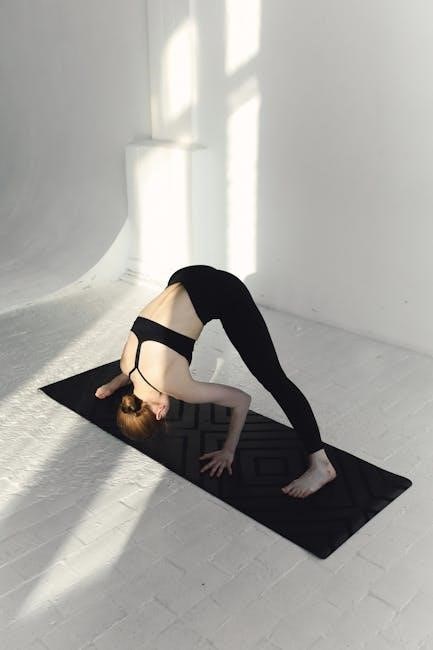
Walking Lunges – Lower Body Focus
Walking lunges are a dynamic exercise targeting your quads‚ hamstrings‚ and glutes‚ enhancing lower body strength and endurance. Start by standing tall with your core engaged and hands on your hips or holding dumbbells for added resistance.
Step forward with one leg‚ lowering your body until both knees are bent at approximately 90-degree angles. Ensure your front knee stays aligned over your ankle and doesn’t extend past your toes. Push off with your back foot to bring it forward‚ stepping into the next lunge.
Continue alternating legs as you walk forward‚ maintaining a controlled pace and proper form. This exercise improves balance‚ coordination‚ and functional strength‚ making it a valuable addition to your full body circuit.
Plank – Core Engagement
The plank is a foundational exercise for core strength‚ stability‚ and overall body conditioning. Begin in a push-up position‚ but instead of resting on your hands‚ lower onto your forearms‚ keeping your elbows directly beneath your shoulders.
Maintain a straight line from head to heels‚ engaging your core muscles to prevent your hips from sagging or lifting. Squeeze your glutes and keep your body rigid‚ focusing on breathing deeply and consistently throughout the exercise.
Hold the plank position for as long as you can maintain proper form‚ aiming for 30-60 seconds. This exercise strengthens your abdominal muscles‚ lower back‚ and improves posture‚ making it crucial for a balanced full body circuit.
Burpees – Full Body Power
Burpees are a challenging‚ yet incredibly effective‚ full-body exercise that combines strength and cardio. Start standing‚ then drop into a squat position with your hands on the ground. Kick your feet back into a plank position‚ maintaining a straight line from head to heels.
Perform a push-up‚ then quickly bring your feet back to the squat position. Finally‚ explosively jump upwards‚ reaching your arms overhead. This dynamic movement engages multiple muscle groups simultaneously‚ boosting your heart rate and improving endurance.
Burpees are fantastic for building power‚ burning calories‚ and enhancing overall fitness. Incorporate them into your circuit for a high-intensity interval that will test your limits and deliver impressive results.
Dumbbell Deadlifts – Back and Hamstring Activation
Dumbbell deadlifts are a cornerstone exercise for building strength in your posterior chain – your back and hamstrings. Stand with your feet hip-width apart‚ holding a dumbbell in each hand. Hinge at your hips‚ keeping your back straight and core engaged‚ lowering the dumbbells towards the floor.
Maintain a slight bend in your knees throughout the movement. Feel the stretch in your hamstrings as you lower the weights. Drive through your heels to return to the starting position‚ squeezing your glutes at the top.
This exercise not only strengthens your back and hamstrings but also improves posture and overall functional strength. Proper form is crucial to prevent injury‚ so focus on controlled movements.
Mountain Climbers – Cardio and Core
Mountain climbers are a dynamic‚ full-body exercise that combines cardio and core strengthening. Start in a plank position‚ with your hands shoulder-width apart and your body in a straight line. Bring one knee towards your chest‚ then quickly switch legs‚ alternating back and forth.
Maintain a fast pace to elevate your heart rate and challenge your cardiovascular system. Keep your core engaged throughout the exercise to prevent your hips from sagging or rising. Focus on driving your knees towards your chest‚ rather than simply kicking your legs.
This exercise is excellent for building endurance‚ improving core stability‚ and burning calories. It’s a fantastic addition to any full body circuit‚ providing an intense cardio burst.

Creating Your Full Body Circuit
Design your ideal workout by strategically combining exercises‚ adjusting rounds and repetitions‚ and incorporating appropriate rest intervals for optimal strength gains and endurance.
Number of Rounds and Repetitions
Determining the appropriate number of rounds and repetitions is crucial for maximizing the effectiveness of your full body circuit. For beginners‚ starting with 2-3 rounds of 10-12 repetitions per exercise is a solid foundation. This allows you to learn proper form and build a base level of fitness without overexertion.
As your strength and endurance improve‚ gradually increase the number of rounds to 3-4‚ and potentially increase repetitions to 15-20. Experienced individuals may even opt for 4-5 rounds with higher repetitions or incorporate challenging variations of each exercise. Remember‚ full-body workouts are time-efficient‚ but quality over quantity is paramount.

Consider your fitness goals when setting these parameters. If your focus is on building strength‚ prioritize slightly heavier weights and lower repetitions. For endurance and cardiovascular benefits‚ lighter weights and higher repetitions are more suitable. Listen to your body and adjust accordingly‚ ensuring proper form throughout each set and round.
Rest Intervals Between Exercises
Strategic rest periods between exercises are vital for maintaining intensity and optimizing results within your full body circuit. For a challenging yet sustainable workout‚ aim for 15-30 seconds of rest after completing each exercise before transitioning to the next. This brief recovery allows for partial replenishment of energy stores without significantly interrupting the flow.
Beginners might benefit from slightly longer rest periods‚ up to 45 seconds‚ to ensure proper form and prevent fatigue. As your fitness level increases‚ progressively reduce rest times to enhance cardiovascular demand and metabolic stress. The goal is to keep your heart rate elevated throughout the circuit.
Minimize excessive rest to maintain momentum and maximize the circuit’s effectiveness. Use the rest period to prepare mentally and physically for the next exercise‚ focusing on proper technique and controlled movements. Active recovery‚ such as light stretching or marching in place‚ can also be incorporated during these intervals.
Rest Intervals Between Rounds
Determining appropriate rest between rounds of your full body circuit is crucial for recovery and sustained performance. A general guideline is to allow 60-90 seconds of rest after completing one full circuit of all exercises. This provides sufficient time for your cardiovascular system to recover and prepares you for the next round.
For individuals new to circuit training‚ longer rest periods – up to 2 minutes – may be necessary to prevent premature fatigue and maintain proper form. As you become more conditioned‚ gradually decrease the rest time to increase the workout’s intensity and challenge.
Utilize this rest period for hydration and mental refocusing. Consider deep breathing exercises to lower your heart rate and prepare for the next set. Remember‚ the goal is to complete all rounds with consistent effort and technique‚ so prioritize adequate recovery.

PDF Creation & Resources
Compile your tailored workout into a portable PDF format for easy access‚ utilizing free tools and online resources to enhance your fitness journey.
Formatting Your Workout for PDF
Organizing your full body circuit workout for a PDF requires clarity and conciseness. Begin with a title page indicating the workout’s focus and your name. Subsequently‚ structure the document with clear headings for each section: warm-up‚ exercises‚ rounds‚ repetitions‚ rest intervals‚ and cool-down.
Utilize bullet points or numbered lists to detail each exercise‚ including sets‚ reps‚ and any necessary modifications. Incorporate images or short video links demonstrating proper form – visual aids are incredibly helpful! Ensure consistent formatting throughout‚ using a readable font size and style.
Consider adding a disclaimer regarding consulting a healthcare professional before starting any new workout routine. Finally‚ proofread meticulously for errors before converting to PDF. A well-formatted PDF enhances usability and encourages adherence to your fitness plan‚ making it a valuable resource for your journey.
Free PDF Creation Tools
Numerous free tools facilitate converting your formatted workout into a shareable PDF. Adobe Acrobat Online offers a straightforward conversion process‚ though some features require a subscription. Smallpdf is another excellent option‚ providing a user-friendly interface and various PDF editing capabilities without needing an account for basic use.
For a more lightweight solution‚ iLovePDF is a web-based tool specializing in PDF manipulation‚ including merging‚ splitting‚ and converting files. Google Docs also allows you to save documents directly as PDFs‚ making it convenient if you’ve created your workout within Google’s suite.
Alternatively‚ Microsoft Word can also save files as PDFs. These tools empower you to distribute your full body circuit workout easily‚ ensuring accessibility across different devices and platforms‚ promoting wider reach and engagement.
Online Resources for Full Body Workouts
A wealth of online resources complements your full body circuit workout PDF. Fitness websites like Bodybuilding.com and Muscle & Strength offer pre-designed routines and exercise demonstrations‚ providing inspiration and guidance. YouTube channels‚ such as those from qualified trainers‚ showcase proper form and modifications for various fitness levels.
Explore platforms like Nike Training Club and Peloton (often with free trial periods) for structured workout programs. Healthline and Verywell Fit provide informative articles on exercise technique‚ benefits‚ and safety precautions.

Remember to critically evaluate sources and prioritize qualified professionals. These resources enhance your understanding and allow for personalized adjustments to your circuit‚ maximizing effectiveness and minimizing injury risk.

Advanced Considerations
Elevate your fitness journey by implementing progressive overload‚ adapting exercises for varying levels‚ and consistently challenging your body for optimal gains.
Progressive Overload Techniques
Progressive overload is crucial for continued improvement in your full body circuit training. Simply repeating the same workout won’t yield the same results over time; your body adapts. To counteract this‚ systematically increase the demands placed upon it. Several techniques can be employed.
Increase weight or resistance: Gradually lift heavier dumbbells‚ use resistance bands with greater tension‚ or add weight to bodyweight exercises. Increase repetitions: If weight increases aren’t feasible‚ aim to perform more reps with the current weight. Increase sets: Adding an extra set to your circuit boosts volume. Reduce rest time: Shortening rest intervals increases workout intensity.
Improve exercise technique: Focusing on perfect form can make an exercise more challenging. Increase range of motion: Deeper squats or lunges demand more from your muscles. Introduce more complex variations: Progress from standard push-ups to decline push-ups‚ for example. Remember to implement changes gradually to avoid injury and allow your body to adapt safely.
Modifying for Different Fitness Levels
Adapting a full body circuit workout to individual fitness levels is essential for safety and effectiveness. Beginners should prioritize mastering form before increasing intensity. Modifications allow everyone to participate and progress at their own pace.
For beginners‚ reduce the number of rounds or repetitions‚ increase rest intervals‚ and choose easier exercise variations. For example‚ perform push-ups on your knees instead of toes. Intermediate exercisers can maintain the standard rep ranges and sets‚ focusing on controlled movements and reduced rest.
Advanced individuals can increase weight‚ reduce rest‚ add challenging variations (like plyometric exercises)‚ or incorporate supersets. Listen to your body and don’t hesitate to scale back if needed. Remember‚ consistency and proper form are more important than pushing yourself beyond your limits. A well-modified workout prevents injury and fosters long-term adherence.