Gel Blaster Instructions: A Comprehensive Guide
Navigating the exciting world of gel blasters requires understanding safety, operation, and legal aspects; this guide provides essential information for responsible enjoyment and compliance.
Gel blasters have surged in popularity as a thrilling recreational activity, offering an accessible and relatively safe alternative to traditional airsoft or paintball. These toys fire small, water-based gel beads, providing a satisfying impact without the sting associated with other projectile-based games. However, their increasing realism has also led to legal scrutiny and safety concerns, necessitating a thorough understanding of responsible usage.
This guide aims to equip both newcomers and experienced users with the knowledge needed to enjoy gel blasters safely and legally. We’ll cover everything from understanding the components and proper operation to essential safety precautions and relevant regulations; Recent news highlights the importance of awareness, with incidents involving misuse and legal ramifications surfacing across various regions, including Queensland, Brazil, and North Carolina. Staying informed is crucial for a positive experience.
What are Gel Blasters?
Gel blasters, often resembling real firearms in appearance, utilize compressed air or battery-powered motors to propel hydrated gel beads at speeds varying by model. These beads, typically 7-8mm in diameter, are non-toxic and burst upon impact, minimizing pain and mess. Despite their playful nature, it’s crucial to recognize that their realistic design can cause alarm and legal issues if misused.
The recent surge in sales, even on platforms like Facebook Marketplace, showcases their growing appeal. However, this popularity also brings increased attention from law enforcement, particularly regarding public display and modifications. Altering a gel blaster to fire prohibited projectiles, like steel pellets, is a criminal offense. Understanding their function and potential for misinterpretation is paramount for responsible ownership and operation, especially given concerns raised by authorities in places like Rio de Janeiro.
Gel Blaster Components
A typical gel blaster consists of several key parts working in unison. These include the blaster body, often mimicking firearm designs, and a hopper – the reservoir holding the dehydrated gel beads. A motor or compressed air system provides the power to launch the hydrated beads through the barrel.
Essential components also encompass a battery (for electric models), a feeding mechanism to transport beads from the hopper to the firing chamber, and safety features like trigger locks. Some blasters feature adjustable firing modes, offering single, burst, or fully automatic options. Understanding each component’s function is vital for proper assembly, maintenance, and troubleshooting, especially when addressing issues like jamming or low velocity. Recognizing these parts aids in responsible operation and ensures a safe and enjoyable experience.

Safety First: Essential Precautions
Prioritize safety with mandatory eye protection, age-appropriate use, and responsible handling; always supervise younger players and avoid modifying the blaster.
Eye Protection: Mandatory Safety Goggles
Gel blasters, while utilizing water-based ammunition, still pose a significant risk of eye injury. The impact of a gel ball, even at seemingly low velocities, can cause considerable discomfort, corneal abrasions, or even more serious damage. Therefore, wearing appropriate safety goggles is absolutely non-negotiable.
Standard eyeglasses or sunglasses offer insufficient protection. Dedicated gel blaster safety goggles are designed to withstand the impact of gel balls and provide a secure, full seal around the eyes. Ensure the goggles fit snugly and are properly adjusted before each use.
Furthermore, encourage all participants, including spectators who may be in the line of fire, to wear safety goggles. Reinforce the importance of eye protection as a fundamental safety rule. Never allow anyone to operate a gel blaster without wearing the correct protective eyewear.
Age Appropriateness and Supervision
Gel blasters are often marketed as toys, but their operation requires a degree of maturity and responsible behavior. Determining age appropriateness is crucial; generally, gel blasters are best suited for older children and teenagers, not young kids. Consider the individual child’s maturity level and ability to follow safety instructions.
Constant adult supervision is essential, especially for younger users. Supervisors should enforce all safety rules, ensure proper eye protection is worn, and monitor gameplay to prevent unsafe actions. They must also educate participants about responsible blaster use and the potential consequences of misuse.
Emphasize that gel blasters are not real firearms and should never be treated as such. Discourage any behavior that mimics real-world combat scenarios. Responsible supervision and age-appropriate usage are paramount to ensuring a safe and enjoyable experience.
Safe Handling Practices
Prioritizing safe handling is paramount when using gel blasters. Always treat your blaster as if it were a real firearm, even though it isn’t. A fundamental rule is to consistently point the barrel in a safe direction – either straight up into the air or towards the ground – when carrying or not actively engaging in play.
Avoid accidental discharge by keeping your finger off the trigger until you are ready to fire. Never point the blaster at anyone’s face, eyes, or sensitive body parts. Be mindful of your surroundings and ensure there are no bystanders within range.
Inspect the blaster before each use for any damage or malfunctions. Familiarize yourself with the blaster’s controls and safety features. Responsible handling minimizes the risk of injury and ensures a positive experience for everyone involved.
Carrying the Gel Blaster Safely
When transporting your gel blaster, even short distances, adhere to strict safety protocols. Always maintain control of the blaster and ensure it’s not pointed at anyone. A crucial practice is to consistently point the barrel either straight up towards the sky or safely towards the ground.
Avoid carrying the blaster in a manner that could lead to accidental activation, such as with your finger on the trigger or the blaster readily accessible for unintentional firing. If possible, utilize a carrying case or bag designed for gel blasters to provide added security and prevent accidental discharge.
Be aware of local regulations regarding the transportation of gel blasters, as some areas may require them to be concealed or transported in a specific manner. Responsible transport minimizes risks and demonstrates respect for safety guidelines.
Avoiding Accidental Discharge
Preventing accidental discharge is paramount when handling a gel blaster. Treat every gel blaster as if it were loaded, even when you believe it isn’t. Never point the blaster at anything you do not intend to shoot, including people, animals, or fragile objects.
Keep your finger off the trigger until you are ready to fire and maintain a clear line of sight down the barrel. Familiarize yourself with the blaster’s safety mechanisms and ensure they are functioning correctly before each use. Avoid modifying the blaster in any way that could compromise its safety features.
Regularly inspect the blaster for any signs of damage or malfunction. Store the blaster unloaded and in a secure location, inaccessible to unauthorized individuals. Responsible handling significantly reduces the risk of unintended firing.
Gel Blaster Operation
Proper gel blaster use involves careful loading, hydrating gel balls to the correct size, and understanding the various firing modes and control settings available.
Loading the Gel Blaster
Before engaging in gel blaster fun, proper loading is crucial for safe and effective operation. Typically, this involves accessing the magazine or hopper – consult your specific blaster’s manual for precise location and removal instructions. Once open, carefully pour the hydrated gel balls into the magazine, avoiding overfilling which can cause jams;
Ensure the magazine is securely reinserted into the blaster, often with an audible click. Some models feature a bolt-action or button-activated loading mechanism; familiarize yourself with its function. Never force the magazine or attempt to load the blaster with dry or misshapen gel balls. Always double-check that the blaster is pointed in a safe direction during the loading process, and never load until you are ready to play in a designated area. A properly loaded gel blaster is the first step towards responsible and enjoyable gameplay.
Hydrating Gel Balls
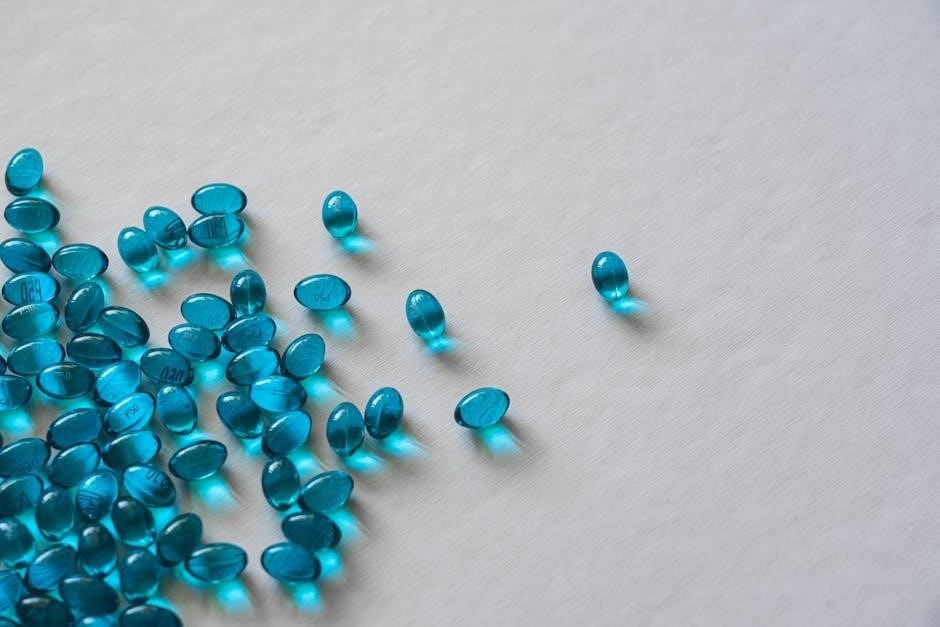
Proper hydration of gel balls is paramount for optimal performance and blaster functionality. Begin with dry gel balls and place them in a container filled with clean water – distilled water is often recommended to prevent clogging. Allow the balls to soak for the recommended time, typically between 3-5 hours, or until they reach their maximum size, approximately 7-8mm.
Regularly stir the balls during hydration to ensure even absorption. Once fully hydrated, drain the excess water using a strainer or colander. Avoid using overly hydrated balls, as they can become fragile and cause jams. Store hydrated gel balls in a sealed container to maintain their moisture content. Properly hydrated gel balls provide the necessary impact and prevent damage to your gel blaster, ensuring a fun and reliable experience.
Firing Modes and Controls
Gel blasters often feature various firing modes, enhancing gameplay versatility. Common modes include single-shot, providing precise targeting, and fully-automatic, delivering rapid-fire capability. Some models also incorporate burst modes, releasing a limited number of rounds with each trigger pull. Familiarize yourself with your blaster’s specific controls – typically a trigger for firing and a selector switch for mode selection.
Understanding the safety mechanisms is crucial. Many blasters include a safety switch to prevent accidental discharge. Always engage the safety when not actively using the blaster. Practice transitioning between firing modes to become proficient. Be mindful of the blaster’s range and adjust your firing technique accordingly. Responsible control usage ensures safe and enjoyable gel blaster experiences.
Maintenance and Care
Regular cleaning and proper storage are vital for gel blaster longevity and performance; consistent upkeep prevents malfunctions and ensures continued safe operation.
Cleaning Your Gel Blaster
Maintaining a clean gel blaster is paramount for optimal performance and longevity. After each use, disassemble key components according to your blaster’s manual. Use a soft, damp cloth to wipe down the exterior, removing any gel residue or dirt.
Pay close attention to the barrel, ensuring it’s free from obstructions that could cause jams or affect accuracy. For internal parts, a gentle blast of compressed air can dislodge debris. Avoid harsh chemicals or solvents, as these can damage the plastic or internal mechanisms.
Inspect the O-rings for wear and tear, replacing them if necessary to maintain a proper seal. Thoroughly dry all components before reassembly. Regular cleaning prevents malfunctions, ensures consistent firing, and extends the life of your gel blaster, contributing to a safer and more enjoyable experience.
Storage Best Practices
Proper storage is crucial for preserving your gel blaster’s condition and ensuring its readiness for future use. Always store the blaster in a cool, dry place, away from direct sunlight and extreme temperatures. Before long-term storage, completely disassemble the blaster as much as possible, following the manufacturer’s instructions.
Remove any remaining gel balls to prevent mold or deterioration. Store gel balls separately in a sealed container, hydrated and ready for use. Keep the blaster in a case or bag to protect it from dust and accidental damage.
Ensure it’s stored securely and inaccessible to unauthorized individuals, especially children. Regularly check the storage area for any signs of moisture or pests; Following these practices will maintain your gel blaster’s functionality and extend its lifespan.
Legal Considerations & Regulations
Gel blaster laws vary significantly by region; understanding local regulations regarding ownership, usage, and modifications is vital for legal and safe operation.
Gel Blaster Laws by Region
Gel blaster legality is a complex and evolving landscape, differing drastically between countries, states, and even local jurisdictions. In Queensland, Australia, concerns have arisen regarding gel blasters resembling realistic firearms being sold online, potentially leading to interstate issues where regulations are stricter. Brazil is also witnessing increased attention from authorities due to a growing “gel blaster war” craze.
The United States presents a patchwork of laws; some areas treat them as toys, while others classify them more seriously. Trinidad and Tobago is grappling with firearm-related offenses, increasing scrutiny on realistic-looking toys. It’s crucial to avoid public display and use, confining play to private property with explicit permission or licensed venues. Modifications to increase power or use non-gel projectiles are often criminal offenses. Always research and adhere to the specific laws in your location before purchasing or operating a gel blaster.
Public vs. Private Property Usage
Gel blaster use is heavily restricted regarding location; public spaces are generally off-limits due to potential alarm and misinterpretation. Displaying or using a gel blaster in public can lead to legal repercussions, as they can be mistaken for genuine firearms, causing unnecessary panic and police intervention.
Safe and legal operation necessitates confining play to private property where explicit permission has been obtained from the landowner. Licensed venues specifically designed for gel blaster activities offer a controlled and compliant environment. Forest City Police in North Carolina are actively warning parents about the legal implications of games occurring without proper authorization. Remember, responsible gel blaster enjoyment hinges on respecting property rights and avoiding any actions that could be perceived as threatening or unlawful in public areas.
Modifications and Legal Ramifications
Altering a gel blaster can have serious legal consequences; modifications that increase power or change the blaster’s appearance to resemble a real firearm are strictly prohibited. Specifically, substituting standard 7-8mm gel balls with other projectiles like plastic, steel, or glass pellets constitutes a criminal offense.
Gel blasters mimicking submachine guns, assault rifles, or specific models like the “John Wick pistol” are raising concerns, particularly regarding interstate sales where regulations differ. Such modifications can lead to charges related to illegal weapon possession or manufacturing. Always adhere to the manufacturer’s specifications and avoid any alterations that could compromise safety or violate local laws. Prioritize legal compliance and responsible blaster ownership to avoid potential penalties and ensure safe, enjoyable play.

Troubleshooting Common Issues
Addressing jams, low velocity, and power problems is crucial for consistent performance; regular maintenance and understanding blaster mechanics will resolve most operational difficulties.

Jamming and Clearing
Gel blaster jams are a common occurrence, often stemming from inconsistent gel ball quality, debris, or improper loading. If a jam happens, immediately cease firing and disconnect the blaster from its power source – battery or gas.
Carefully inspect the barrel and feeding mechanism for obstructions. Avoid using excessive force when clearing a jam; gentle manipulation is key to prevent damage. A flexible cleaning rod or a thin, blunt object can help dislodge stuck gel balls.
Ensure the gel balls are adequately hydrated, as overly dry or brittle balls contribute to jamming. Regularly clean the blaster’s internal components to remove residue and maintain smooth operation. Prioritize quality gel balls to minimize jamming frequency and enhance the overall shooting experience.
Low Velocity Problems
Experiencing reduced range with your gel blaster can be frustrating. Several factors contribute to low velocity, starting with gel ball hydration – insufficiently soaked balls won’t propel effectively. Ensure they’ve soaked for the recommended time, achieving a firm, yet pliable consistency.
Check the blaster’s internal seals and O-rings for wear or damage, as leaks diminish air pressure. A partially clogged barrel restricts airflow, reducing velocity; thorough cleaning is essential. Battery voltage, if applicable, plays a crucial role; a weak battery delivers insufficient power.
Inspect the motor or piston system for any signs of malfunction. Finally, confirm you’re using the correct gel ball size (typically 7-8mm) for optimal performance. Addressing these points will usually restore your blaster’s intended range.
Battery and Power Issues
Gel blasters relying on rechargeable batteries can encounter power-related problems. A common issue is insufficient charging; always use the manufacturer-recommended charger and follow charging guidelines to avoid damage or reduced battery life. Check battery terminals for corrosion, hindering conductivity and power delivery.
Ensure the battery is securely connected within the blaster. If using multiple batteries, verify they are all of the same type and voltage for balanced performance. A failing battery may exhibit reduced firing rate or complete power loss.
Consider battery age; older batteries naturally lose capacity. If problems persist, test with a fully charged, known-good battery to isolate the issue. Proper battery maintenance and replacement when necessary are crucial for consistent blaster operation.