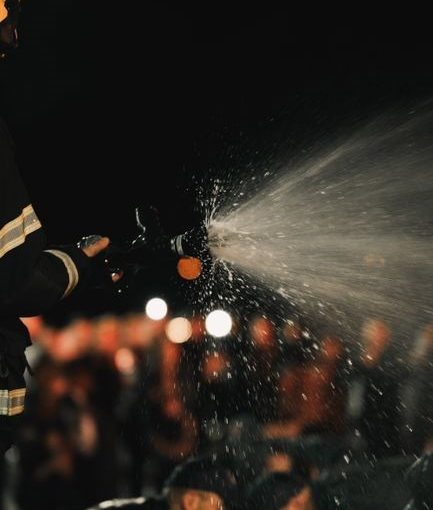
Overview of Firefighter Entrance Tests
Firefighter entrance exams assess candidates through written tests covering math, reading, technical knowledge, and physical aptitude. The FST, NFSI, and CPAT evaluate reasoning, comprehension, and practical skills, ensuring applicants meet rigorous standards. Online drills enhance readiness!!
Types of Tests (FST, NFSI, CPAT)
Firefighter entrance examinations are divided into three primary formats, each designed to evaluate distinct competencies required on the job. The Firefighter Skills Test (FST) is a written assessment that measures quantitative reasoning, reading comprehension, and technical knowledge related to fire suppression and rescue operations. Candidates answer multiple‑choice questions that cover mathematics, physics, and safety protocols. The National Fire Service Institute (NFSI) test is a similar written format but is tailored for applicants in states that use the NFSI standard. It emphasizes problem‑solving and situational judgment, with sections on basic math, reading, and fire‑science concepts. The Candidate Physical Ability Test (CPAT) is a hands‑on physical evaluation that simulates real‑world firefighting tasks. Test takers must complete tasks such as carrying a weighted pack, climbing ladders, and operating hoses within a timed setting. Each test is administered by the Firefighter Candidate Testing Center (FCTC) and is recognized by the California Firefighter Joint Apprenticeship Committee (Cal‑JAC). Successful completion of these tests demonstrates a candidate’s readiness to meet the physical and intellectual demands of the fire service. Candidates are also evaluated on their ability to apply safety protocols during simulated emergency scenarios daily.!! Training stresses teamwork, decisions.!!
Eligibility Requirements
To qualify for the firefighter entrance exams, applicants must meet a set of criteria that align with state and department standards. The core requirements include:
- Minimum age of 18 years, with some departments allowing 16‑year‑olds who have completed high school and obtained a driver’s license.
- High school diploma or equivalent GED, with a preference for candidates who have completed courses in mathematics, physics, or emergency response.
- Valid driver’s license and a clean driving record, as many departments require transportation of equipment and personnel.
- Physical fitness level that passes the Candidate Physical Ability Test (CPAT) or an equivalent assessment, demonstrating strength, endurance, and agility.
- Background check clearance, including a criminal history review and verification of no disqualifying offenses.
- Completion of a basic first‑aid or CPR certification, which is often required for all applicants before testing.
- Proof of U.S. citizenship or legal residency status, as federal regulations mandate eligibility for federal grants and training funds.
Meeting these prerequisites does not guarantee success; candidates must also prepare strategically for the written and physical components of the exam.
Regular training sessions, nutrition, and focused breathing drills are essential to build the endurance required for the CPAT and firefighting duties daily!
Written Test Components
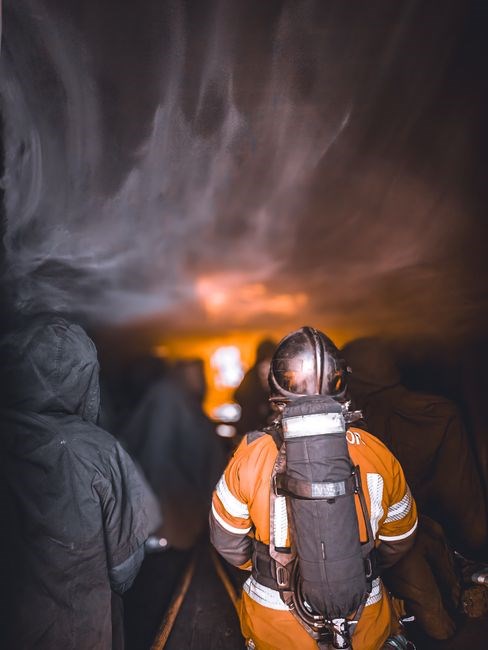
Candidates tackle four distinct sections: math and reasoning, reading comprehension, technical knowledge, and physical aptitude. Each segment evaluates analytical skills, literacy, subject matter expertise, ensuring well‑rounded applicants!!! Use practice tests gauge progress and refine strategies.!
Section 1: Math and Reasoning
Firefighter written exams test numerical aptitude through word problems, fractions, ratios, and algebraic expressions. Candidates solve equations, interpret data tables, and calculate rates of fire spread. Reasoning questions assess logical deduction, pattern recognition, and spatial visualization. Practice with timed drills, review basic arithmetic, and strengthen mental math to improve accuracy. Use free practice tests from Firefighter-Test.com and FCTC’s study guide to identify weak areas. Focus on unit conversions, percentages, and proportional reasoning, as these frequently appear. Build a study schedule that alternates between math drills and reasoning puzzles to keep skills sharp. Consistent review of past exam questions helps recognize question formats and common traps. Aim for a balanced approach, ensuring both speed and precision. Remember, the goal is to demonstrate clear, methodical problem‑solving under pressure.
To excel, integrate daily drills: solve timed algebraic puzzles, practice data interpretation, and refine mental calculations. Review past test patterns, noting question phrasing and common pitfalls. Build stamina through regular cardio and strength training, as physical endurance supports mental focus during the exam. Maintain a balanced diet, hydrate, and get adequate sleep to optimize cognitive performance. Consistent practice, self‑assessment, and constructive feedback from mentors or study groups will sharpen skills.
Section 2: Reading Comprehension
Firefighter written exams include a Reading Comprehension section that evaluates the ability to interpret technical reports, incident narratives, and safety guidelines. Candidates read passages of 300– and answer 10–12 questions that test inference, main idea, vocabulary in context, and logical sequencing. The passages often cover topics such as fire behavior, rescue operations, or equipment maintenance. To prepare, practice with sample passages from the FCTC free study guide and the Firefighter-Test.com practice tests. Focus on identifying thesis statements, supporting details, and the author’s purpose. Skim for structure, then read carefully for nuance. Time management is critical; allocate roughly 45 seconds per question. Annotate key terms, underline evidence, and summarize each paragraph in a sentence. Build a vocabulary list of common firefighting terminology (e.g., “ventilation,” “overpressure,” “structural collapse”). Review practice questions that require cross‑referencing multiple passages, as some tests present two related excerpts. Use active reading strategies: ask questions, predict outcomes, and evaluate the credibility of sources. After each practice session, review explanations, noting any misinterpretations. Consistent exposure to varied passage styles improves speed and comprehension, ensuring readiness for the actual exam. Students often benefit from flashcard drills that reinforce firefighting terminology and key concepts. Incorporating timed reading sessions—reading a passage and answering questions within a set period—helps build endurance under exam conditions. Additionally, practicing note‑taking by highlighting critical points and summarizing sections improves retention and allows quick reference during review. Finally, reviewing past exam questions and analyzing answer explanations solidifies understanding of the test’s expectations. Consistent practice yields measurable improvement!
Section 3: Technical Knowledge
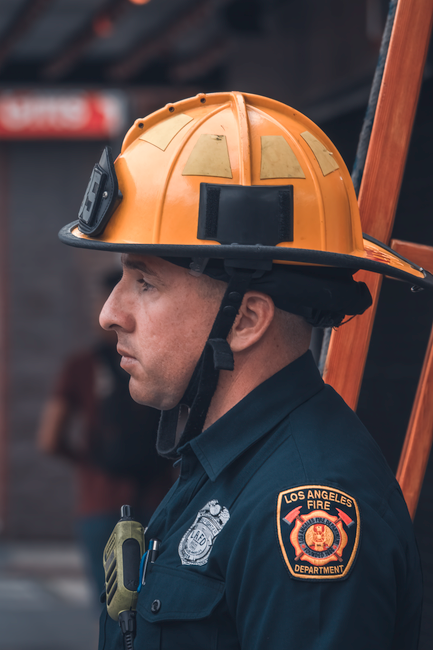
Technical Knowledge questions evaluate a candidate’s grasp of fire science, equipment operation, and emergency procedures. Topics include fire behavior, ventilation, structural collapse, rescue techniques, and fire suppression tactics. The exam presents multiple‑choice items that require applying principles from the National Fire Protection Association (NFPA) codes and standard operating procedures. Candidates must recognize the correct use of hoses, nozzles, and breathing apparatus, as well as the proper sequence for initiating ventilation or performing a rescue. Sample questions often ask for the best course of action in a scenario involving a building fire, chemical spill, or confined‑space entry. Preparation involves reviewing NFPA 1001 firefighter qualifications, NFPA 101 life‑saving rule, and the Department of Fire and Emergency Services (DFES) guidelines; The Firefighter-Test.com practice software offers detailed explanations for each answer, helping students understand the rationale behind correct choices. The FCTC free study guide provides a structured review of key concepts, including fire dynamics, heat transfer, and the role of structural integrity. Practice drills should focus on interpreting diagrams, calculating hose flow rates, and identifying hazards. Consistent study of these technical fundamentals increases accuracy and confidence, ensuring candidates can answer both straightforward and scenario‑based questions with precision.!
Section 4: Physical Ability and Aptitude
Physical Ability and Aptitude questions test a candidate’s strength, endurance, coordination, and overall fitness needed for firefighting duties. The written portion includes items that assess the ability to perform tasks such as carrying heavy equipment, climbing ladders, and operating hoses under time constraints. Candidates must demonstrate knowledge of proper body mechanics, weight distribution, and safe lifting techniques to avoid injury while responding to emergencies. The exam often presents calculations for determining the maximum load a firefighter can safely transport, considering factors like body weight, equipment weight, and environmental conditions. Study resources emphasize cardiovascular conditioning, muscular strength, and flexibility training. The Firefighter-Test.com practice software offers quizzes that simulate real‑world scenarios, allowing test takers to practice decision‑making under pressure. The FCTC free study guide provides sample questions and explanations, focusing on the application of physics principles such as force, torque, and leverage; Consistent practice with weighted sled pulls, stair climbs, and hose drag drills improves both physical performance and confidence. By mastering these concepts, candidates can accurately answer questions that require quick calculations and strategic thinking during high‑stress situations. A balanced training plan that integrates strength, endurance, flexibility, and technical drills ensures readiness for the demanding physical challenges of firefighting.

Physical Aptitude Test (CPAT)
CPAT evaluates a candidate’s functional strength, endurance, and agility through tasks like ladder climb, hose drag, and stair climb. It measures real‑world firefighting fitness, ensuring applicants can handle physical demands safely and effectively. Training: stair runs, sled pulls, endurance drills.!
- Ladder Climb – ascending a 30‑foot ladder while carrying a 50‑lb load.
- Hose Drag – pulling a 50‑lb hose 100 feet.
- Stair Climb – ascending 10 flights carrying a 50‑lb load.
- Fireground Escape – running 100 feet with a 50‑lb load.
- Equipment Carry – carrying a 50‑lb load 100 feet.
- Equipment Drag – dragging a 50‑lb load 100 feet.
- Rescue – pulling a 50‑lb mannequin 100 feet.
Scoring is binary: a stage is either passed or failed. A candidate must pass all stages to earn a full score of 100%. Failure in any stage results in a zero for that stage, and the overall score is the percentage of stages passed. For example, passing six out of seven stages yields an 85.7% score. Departments may set minimum thresholds (often 70–80%) for qualification.
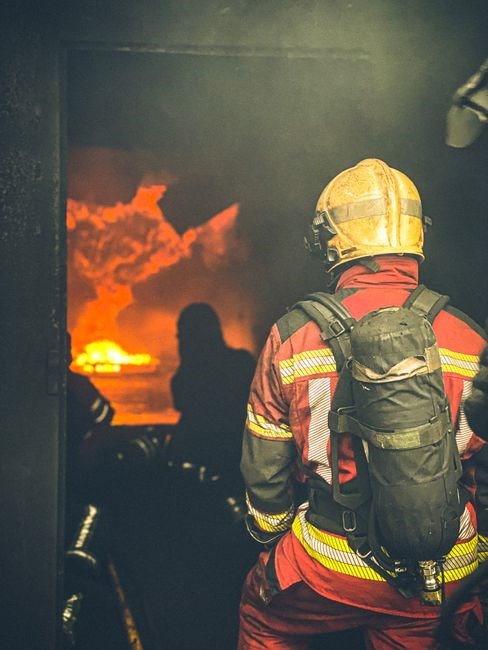
Each stage is timed, and the official score is the sum of the time taken for all successful stages. The CPAT employs a 60‑second time limit per stage, with a 2‑second grace period. If a candidate exceeds the limit, the stage is marked failed. The overall score is calculated by dividing the total time of passed stages by the maximum time, yielding a percentage. A score above 70% is typically required for admission though some agencies set higher benchmarks. Candidates are encouraged to practice under timed conditions to improve speed and technique. and agility training daily!!.
Training Tips and Sample Exercises
Success on the CPAT hinges on a blend of strength, endurance, and technique. Begin with a structured 12‑week plan that alternates cardio, resistance, and skill drills. Focus on core stability, grip strength, and lower‑body power to handle the 50‑lb load across all stages.
Cardio & Endurance: Run 3–4 times weekly, varying distance from 1 mile to 3 miles. Include interval sprints (30 seconds hard, 30 seconds easy) to mimic the rapid bursts required during the Fireground Escape and Equipment Drag.
Resistance Training: Perform compound lifts (squats, deadlifts, bench press) 3 times a week. Use progressive overload, adding 5–10 lbs each session. Incorporate farmer’s walks and sled pulls to simulate carrying and dragging loads.
Skill Drills:
- Ladder Climb: Set up a 30‑foot ladder and practice ascending with a weighted vest or backpack. Time each climb and aim to reduce time by 5–10% each week.
- Hose Drag: Attach a 50‑lb weight to a hose and drag it 100 feet. Use a stopwatch to track time, focusing on maintaining a steady pace.
- Stair Climb: Run up and down 10 flights of stairs carrying a weighted backpack. Record time and work on smooth transitions.
- Equipment Carry & Drag: Use a weighted sled or weighted backpack to practice 100‑foot carries and drags, emphasizing posture and breathing.
- Rescue: Drag a mannequin or weighted dummy 100 feet, practicing proper lifting technique to avoid injury.
Incorporate flexibility sessions (dynamic stretching before workouts, static stretching after) to prevent muscle strains. Rest days are essential; schedule at least 2–3 per week to allow recovery. Monitor progress with a training log, noting times, weights, and perceived exertion. Adjust intensity based on fatigue levels and performance trends.
Nutrition also plays a critical role. Consume a balanced diet rich in protein, complex carbs, and healthy fats. Stay hydrated and consider a pre‑workout snack (banana or oatmeal) to fuel sessions. Post‑workout recovery meals should include protein and carbs within 30 minutes to aid muscle repair.
Finally, simulate the test environment by timing full CPAT runs in a single session. This builds mental resilience and helps identify pacing strategies. Consistent practice, coupled with a disciplined recovery routine, will elevate performance and increase the likelihood of achieving a top score on the CPAT. Good luck, future firefighters!
Study Resources and Tools
Use Firefighter-Test.com for interactive practice on FST, NFSI, and CPAT. The free FCTC study guide offers full written test sections, tips, and sample questions. Combine both for comprehensive prep. Practice daily, review mistakes, and stay hydrated. Daily drill.
Firefighter-Test.com Software
Firefighter-Test.com offers an innovative, comprehensive preparation platform tailored for the FST, NFSI, and general firefighter entrance exams. The software provides adaptive practice modules that simulate the exact format of each test, allowing candidates to gauge their readiness in real‑time. Users can access a library of thousands of practice questions, complete with detailed explanations and scoring analytics. The interface tracks progress across math, reading, technical, and physical sections, highlighting strengths and pinpointing areas that need improvement. A free practice test is available to give prospective firefighters a risk‑free glimpse of the exam environment. The platform’s advanced algorithms adjust difficulty based on performance, ensuring that training remains challenging yet achievable. Designed for both desktop and mobile, the app supports on‑the‑go study sessions, making it convenient for candidates balancing work, school, or family commitments. By integrating interactive drills, instant feedback, and progress dashboards, Firefighter‑Test.com empowers applicants to build confidence, refine strategies, and ultimately increase their chances of success on the actual entrance test. Consistent practice using the platform’s analytics helps identify weak spots, allowing focused training that turns potential weaknesses into strengths, thereby boosting overall test readiness. By integrating real‑world scenarios, the software also trains mental stamina, ensuring candidates remain calm under pressure, a critical attribute for effective firefighting performance today!!

FCTC Free Study Guide
Firefighter Candidate Testing Center (FCTC) offers a free, downloadable study guide that covers every section of the written exam: Math and Reasoning, Reading Comprehension, Technical Knowledge, and Physical Ability. Each section contains concise explanations of key concepts, step‑by‑step problem‑solving strategies, and a curated set of practice questions that mirror the difficulty and style of official items. The guide also supplies targeted study tips—time‑management techniques, common pitfalls to avoid, and mnemonic devices—to help candidates focus their preparation. All materials are supplied directly by FCTC and endorsed by the California Firefighter Joint Apprenticeship Committee (Cal‑JAC), ensuring accuracy and relevance. The guide features a printable checklist of essential formulas, safety codes, and procedural steps for quick reference. FCTC continually updates the guide to reflect changes in test format, keeping candidates current. By using this resource, applicants can structure their study schedule, allocate time efficiently across sections, and track progress, ultimately improving their score and increasing the likelihood of passing the written component. Students report that the guide’s clear layout and real‑time feedback help them identify weak areas quickly, allowing focused practice and boosting confidence before the exam day. Guide’s interactive elements keep learners engaged throughout their preparation, boosting confidence!!!